
Hot Topics //
Feel the heat with our HOT picks hand-selected stories igniting group chats and social feeds right now. From explosive celebrity headlines and viral beauty hacks to game-changing career moves and wellness breakthroughs, this is where you’ll find what’s trending today.


Most Popular
Chosen by our readers, these are the articles everyone’s talking about. Explore the interviews, how-to guides and opinion pieces that have earned the most clicks, shares and comments your can’t-miss lineup of fan favorites.
-

Just Ask Joyce: Like Father, Like Son?
Q: His dad expects his mom to work, have his meals cooked and on the table when he walks in the…
-

Just Ask Joyce: “How can I get my wife to respect me?”
Q: “My wife is like a clanging gong. I find myself staying at work longer, playing golf more frequently, and tuning…
-

Pink Woman
Are you a breast cancer survivor?We’re planning our annual Pink Woman photo shoot, sponsored by Women’s Diagnostic Center, and would love…
-
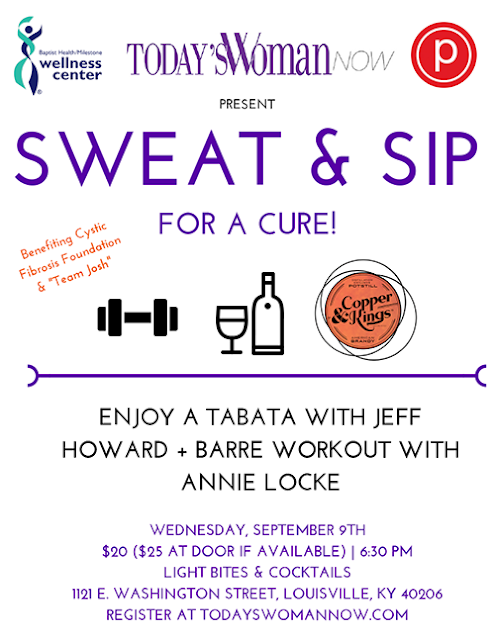
It’s Happening Tomorrow…
Tomorrow evening we will be having our second Sweat & Sip! If you haven’t already, be sure to sign up and…
-

We Have A Winner!
Congratulations to our Today’s Family Pet Photo Contest winner, Bella! This adorable pooch takes the prize after a close voting match. A…
-

Arts Insider Pick of the Week: Rock the Yacht
The Arts Insider is really looking forward to finally hearing live some of her favorite Pop and soft rock music…

Enter to Win This Week’s Giveaway!
Giveaways

The City Keeps On Changing
Community, Explore Louisville

Way to Go Woman: Lindsay Wehr
Community, Way to Go Woman
Most Recent Articles
Fresh from the editorial desk, our Recent feed keeps you up to date with the newest insights in fashion, beauty, wellness, relationships, career and culture. Updated daily so you’re always one step ahead.
-

Just Ask Joyce: “My husband’s sexual fantasy bothers me.”
Q: “Do you think it is permissible for a husband and wife to play out a fantasy in their sexual lives?…
-

How to Choose the Perfect Wedding Bouquet
The perfect wedding bouquet not only enhances your bridal look but also carries sentimental value, often incorporating flowers that hold…
-

Strong Women, Strong Partnerships: Building a Lasting Union
In today’s world, strong women play a pivotal role in shaping meaningful and lasting relationships. Their resilience, independence, and clear…
-

What Your Dress Silhouette Says About Your Style
Choosing the perfect wedding dress is a journey that reflects not only your personal taste but also your unique style…
-

Home Improvement, Women-Style
Dana Willouby started her own business and loves the satisfaction of finishing a paint job. Louisville-based painting contractor Dana Willouby…
-

How to Mix Cultural Traditions into Your Wedding Day
Your wedding day is a beautiful celebration of love, and incorporating cultural traditions can make it even more meaningful. Blending…
-

Bridal Accessories That Complete the Look
Every bride dreams of her perfect wedding day, a day where every detail reflects her unique style and personality. While…
-

Way to Go Woman: Lindsay Wehr
LINDSAY WEHR, 39Job: Senior Vice President of Strategy and Outreach, Kosair CharitiesFamily: Husband John Crable; dog Teddy; cat Miss Kitty J…


